The Story Behind Bundt Cakes
LIV Bakehouse Brazilian Culture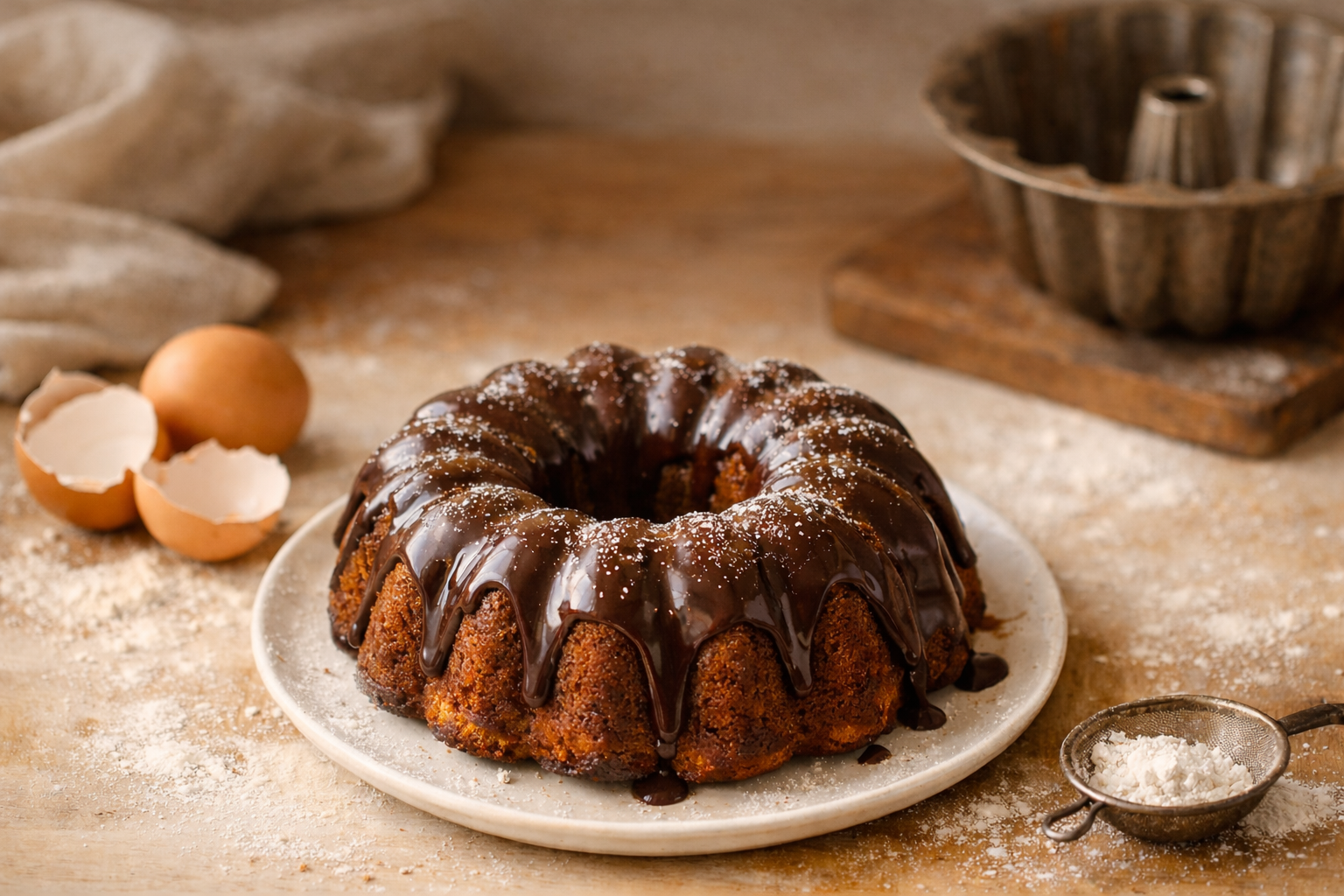
## A Kitchen in Minneapolis, 1950
The women gathered around a kitchen table in Minneapolis, their hands animated as they described something their words couldn't quite capture. A cake — but not just any cake. A cake from the old country, baked in a fluted ring mold that turned simple batter into something that looked like it belonged in a cathedral. They called it *Gugelhupf*, or *Bundkuchen*, depending on which grandmother had taught them.
They had the recipes memorized. What they didn't have was the pan.
---
## From Europe to America
The Gugelhupf has roots that stretch across Central Europe — from the coffeehouses of Vienna to the Sunday tables of Bavaria, from Jewish holiday celebrations in Poland to the farmhouses of Alsace. For centuries, this elegant ring-shaped cake was baked in heavy ceramic or copper molds, its distinctive fluted pattern a mark of celebration and craft.
When European immigrants crossed the Atlantic, they carried recipes in their memory and longing in their chests. But some things were left behind — including those heavy, ornate baking molds that had shaped their family traditions.
In 1950, those Minneapolis women — members of the local Hadassah Society — approached a small cookware company called Nordic Ware with a simple request: could they create an aluminum version of the pan their grandmothers had used?
H. David Dalquist, Nordic Ware's founder, said yes. He cast the pan in aluminum, and his wife suggested a name. They dropped the "k" from the German *Bundkuchen* (meaning "gathered cake" — a cake that brings people together) and added a "t." The **Bundt pan** was born.
---
## A Slow Rise to Fame
For over a decade, the Bundt pan gathered dust on store shelves. It was a niche product, beloved by the women who had requested it but unknown to the wider American public.
Then came 1966.
A Houston homemaker named Ella Helfrich entered the Pillsbury Bake-Off with a recipe she called the "Tunnel of Fudge Cake" — a rich chocolate cake baked in a Bundt pan, with a molten center that seemed almost magical. She won second place and $5,000, but more importantly, she started a national obsession.
Overnight, Nordic Ware was flooded with orders. The Bundt pan became the best-selling baking pan in American history, with over 70 million sold to date. The simple ring shape with its elegant ridges had captured something deep in the American imagination — the idea that beautiful things could come from ordinary kitchens.
---
## Meanwhile, Across Another Ocean
While the Bundt pan was conquering American kitchens, a parallel story was unfolding thousands of miles south.
In Brazil, European immigrants — Germans, Italians, Portuguese, and Eastern Europeans — had brought their own baking traditions to a land of tropical abundance. The ring-shaped mold, known simply as *forma de furo*, became a staple in Brazilian kitchens.
But Brazilian bakers did what they do best: they adapted. They filled those familiar shapes with ingredients the old world had never imagined. *Bolo de fuba* — cornmeal cake scented with fennel seed that fills the entire house with its aroma. *Bolo de cenoura* — a moist carrot cake crowned with a chocolate glaze that became a national obsession. *Bolo de mandioca* — cassava cake, dense and fragrant with coconut milk, a love letter to the land.
The pan was European. The soul was Brazilian.
And these cakes found their perfect companion in an afternoon ritual that defines Brazilian life: *cafe da tarde*. That sacred pause in the late afternoon when the coffee is freshly brewed, a slice of cake is set on a plate, and the world slows down long enough for a conversation, a memory, a breath.
---
## Where Two Traditions Meet
There is a beautiful symmetry in this story. The word *Bundkuchen* means "a cake that gathers people together." In Brazilian homes, that is exactly what *cafe da tarde* does — it gathers. The kitchen table becomes a place where stories are shared, where children hear about places they have never been, where the weight of the day lifts with the steam from a fresh cup.
At LIV Bakehouse, every bundt cake we bake carries this double heritage. The European tradition of craft and celebration. The Brazilian soul of warmth, generosity, and gathering. A shape that crossed oceans and continents, collecting stories in every kitchen it entered.
When you slice into one of our cakes, you are not just cutting through batter and glaze. You are cutting through centuries of immigration, adaptation, love, and *saudade* — that untranslatable longing for something that once was, and the quiet joy of creating it again somewhere new.
---
## The Shape of Gathering
Next time you see a bundt cake — that distinctive ring with its cathedral ridges — remember that it began with a group of women who refused to let a tradition die. Who believed that the shape of a cake could carry the shape of a memory.
That is what we believe too.
Every cake at LIV is baked in the spirit of gathering — around a table, around a cup of coffee, around the people who make an ordinary afternoon feel like home.
> *A table, a cake, a cup of coffee, and the people you love. That is all it takes.*